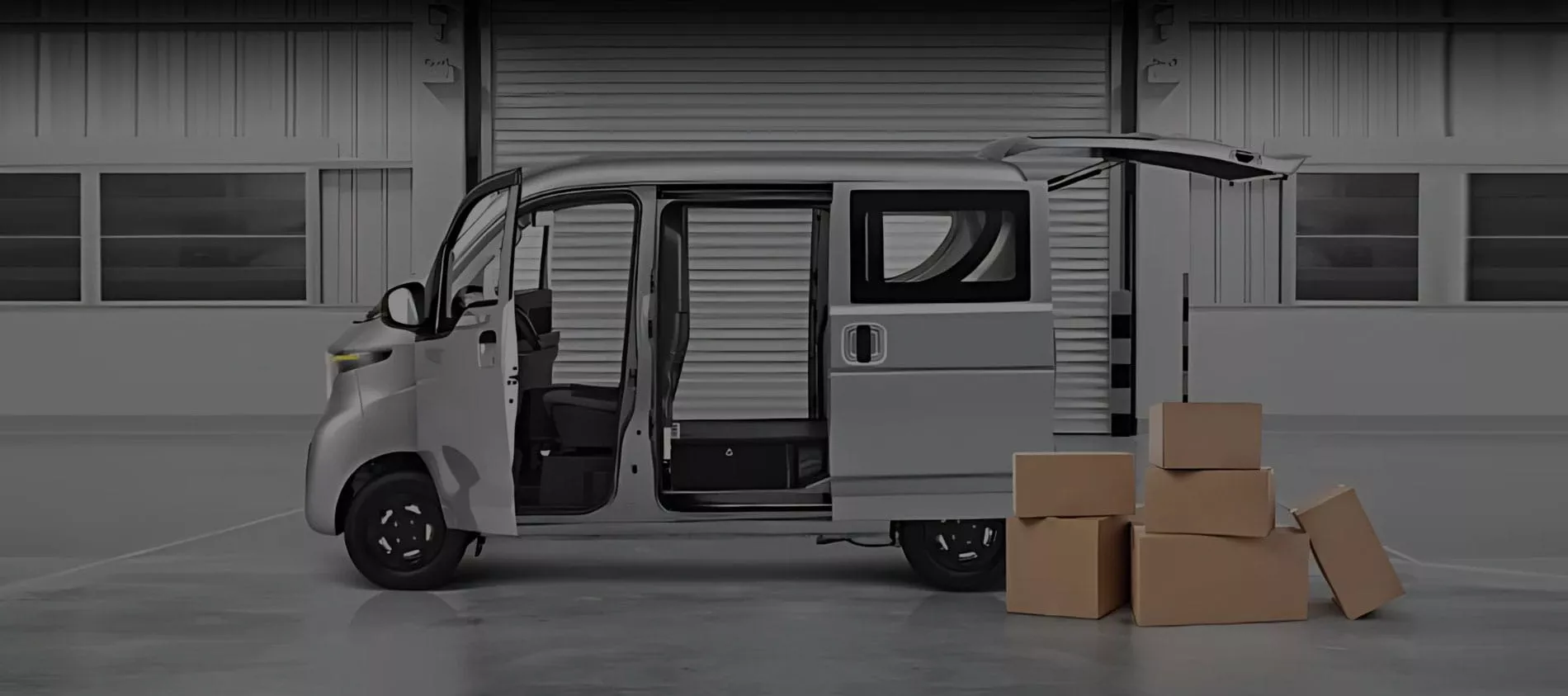
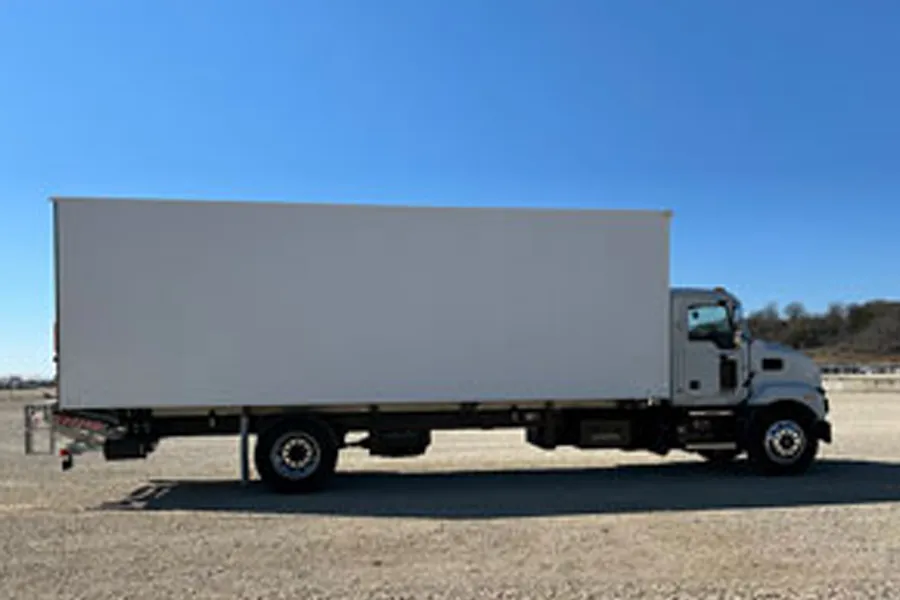
More fleet operators are switching to electric vehicles (EVs) every year. The reasons make sense. You get lower fuel costs, fewer stops to the mechanic, and also a smaller footprint on the environment, kind of like less fuss overall. Many people think that buying vehicles is enough for successful fleet electrification. However, buying is just step one.
If your operation involves heavy duty work, the vehicles need more than a charge and a set of keys. They need proper upfitting. Skip this step, and you will likely see fleet efficiency take a hit before the first quarter is even over.
Let's look at what upfitting really means, why it matters for heavy duty operations, and how it shapes the way your electric fleet performs day to day.
Up-Fitting means modifying a fleet vehicle, so it lines up with the precise demands of the job it is supposed to handle. Kind of like you’re outfitting a vehicle from the inside out, and yes, turning the whole thing into a tailored setup not just a generic arrangement.
A standard delivery van, for example, might come with an empty cargo bay. But a contractor needs customized shelving, tool storage, wire racks, and maybe even a mounted power unit. An internal combustion engine (ICE) vehicle always handled that added weight with some mechanical adjustment. The same expectation now applies to EVs.
The difference is that upfitting an electric vehicle requires a more thoughtful approach. Weight, battery load, and energy draw all come into play.
Heavy duty routes are demanding. Vehicles haul more, stop more often, and sometimes run for 10 to 12 hours a day. This is where a lot of fleet managers realize the gap between a basic EV setup and a truly work-ready one.
An ICE counterpart handles brute-force demands through raw engine power. An electric vehicle does the same through smart energy management. But if the vehicle was not upfitted correctly, all that smart engineering starts working against you.
Here is what tends to go wrong without proper upfitting:
Each of these issues raises operational costs and puts unnecessary pressure on fleet managers trying to keep schedules tight.
Good upfitting does not just add equipment. It optimizes the whole vehicle for the work ahead. Here is what a professional upfitting process typically covers:
When each of these steps happens before the vehicle hits the road, fleets perform better, stay on schedule more often, and cost less to run.
| Feature | Electric Vehicle (EV) | ICE Vehicle |
|---|---|---|
| Upfitting Complexity | Requires load and power mapping | Mostly mechanical adjustments |
| Maintenance Costs | Lower overall, fewer parts | Higher due to engine and exhaust |
| Operational Costs | More predictable over time | Varies with fuel prices |
| Real-Time Monitoring | Built in or easily integrated | Requires additional tools |
| Weight Sensitivity | Higher sensitivity to added loads | More tolerance for extra weight |
| Charging or Fueling | Depot based EV charging | Fuel stops on route |
The comparison above shows that EVs and ICE vehicles each come with trade-offs. But for fleet operators who invest in proper upfitting, the electric option wins on efficiency and cost management over time.
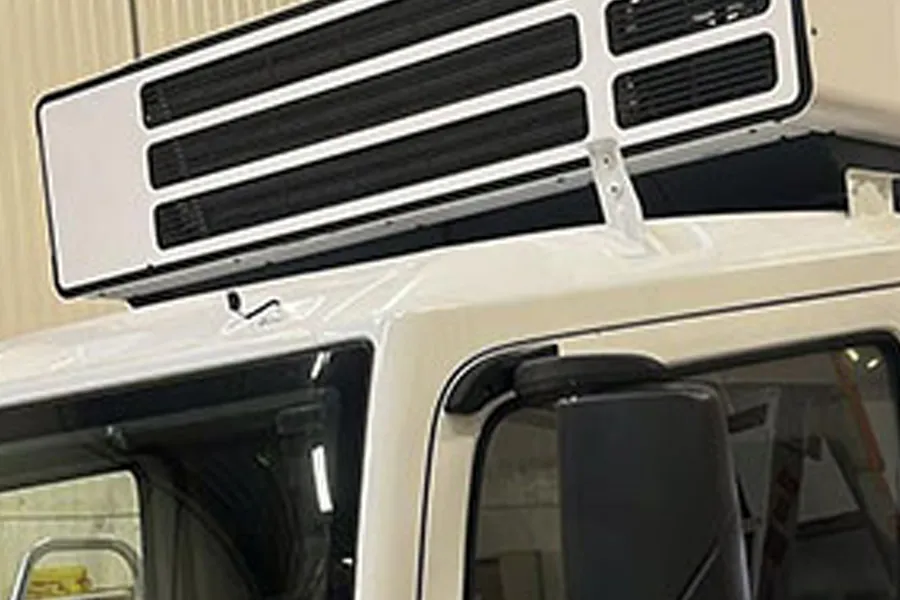
The biggest shift from upfitting an ICE counterpart to an electric vehicle is how weight and power interact.
A traditional gas-powered truck can haul about 500 more pounds of shelving and tools and see pretty low, like minimal, effect on fuel burn per trip. Meanwhile an electric vehicle, with the same added load, but without any adjusted charging plan, might lose roughly 15 to 20 percent of its daily range. That difference, honestly, can be the line between finishing a route and getting a swap vehicle called in.
Professional upfitters who understand fleet electrification account for this from the start. They build the configuration around the battery, not the other way around.
Yes, and in a good way when done right. Maintenance costs on an electric vehicle are already lower than on a typical internal combustion engine ICE vehicle. There are fewer moving parts, no oil changes, and no exhaust system to service.
But improper upfitting reverses some of those savings. For instance, poorly mounted equipment that vibrates during operation can damage wiring harnesses and connectors. These are expensive to repair and often invisible until something fails on route.
When the upfit is done correctly, the vehicle stays healthy. That keeps fleet efficiency high and avoids the kind of unplanned downtime that frustrates both fleet managers and drivers.
At Fairway EV, we work directly with fleet operators, municipalities, and commercial businesses to get electric fleets ready for real work. From customized shelving setups to full charging infrastructure planning, our team handles every detail.
We understand what makes the heavy-duty electric vehicle operation actually work, and we try to carry that know-how into each upfit we finish. No matter if you are just beginning the fleet electrification journey, or if you are trying to tighten up an already existing arrangement, we are here to help. Connect with our team today!
Upfitting tailors a vehicle to specific job needs. It covers storage, power accessories, and load management so the vehicle performs reliably on every single shift.
Added weight and electrical accessories can reduce range. Professional upfitting balances the load and power draw, so range stays as consistent as possible throughout the day.
Generally, yes. Electric vehicles have fewer moving parts, which means fewer breakdowns. Brake wear, oil changes, and exhaust repairs are largely removed from the maintenance list.
Fleet managers should review route data, daily mileage, charging access, and vehicle payload needs. This planning shapes both vehicle selection and upfitting decisions before deployment.
Charging access determines how long vehicles stay off the road. A strong charging setup, matched to shift schedules, keeps vehicles moving and reduces costly downtime significantly.
Diversity Supplier Participant


© Fairway EV. All rights reserved


