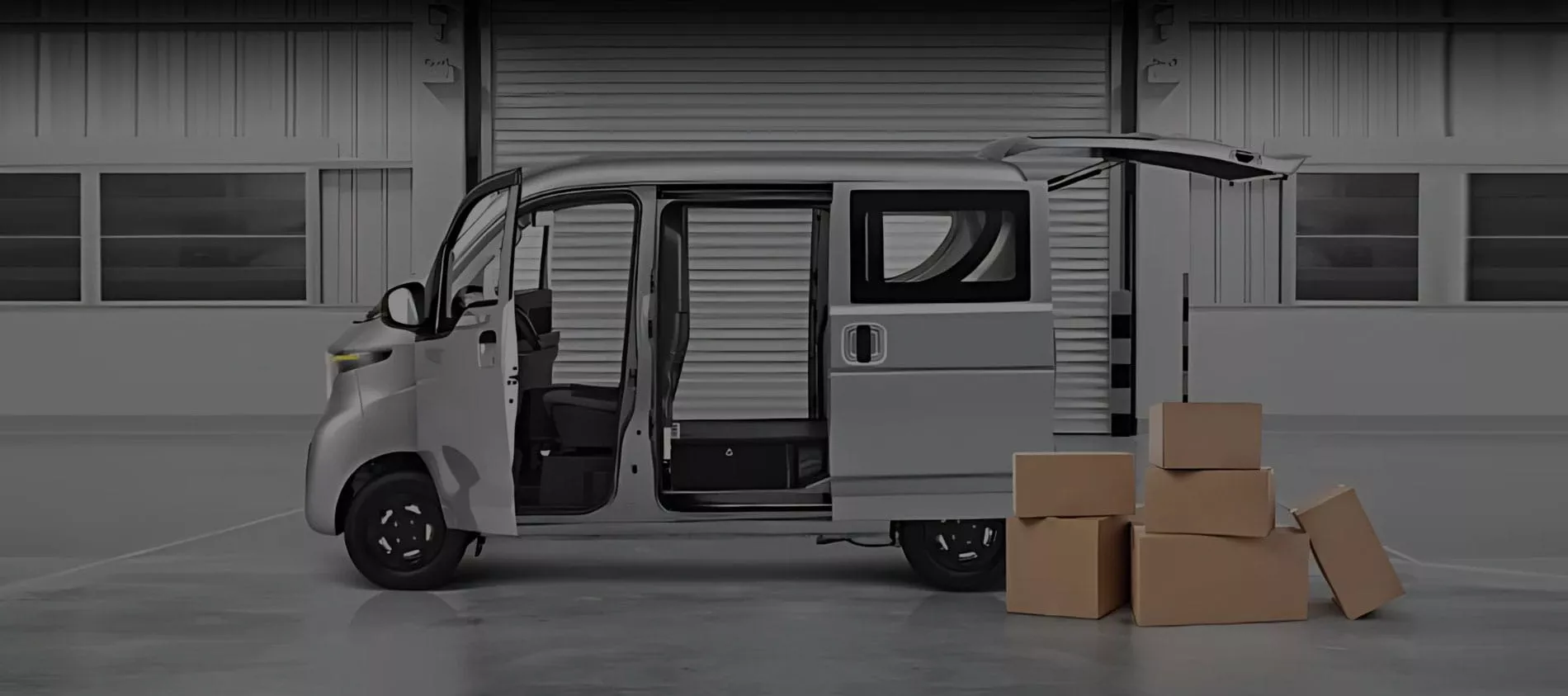
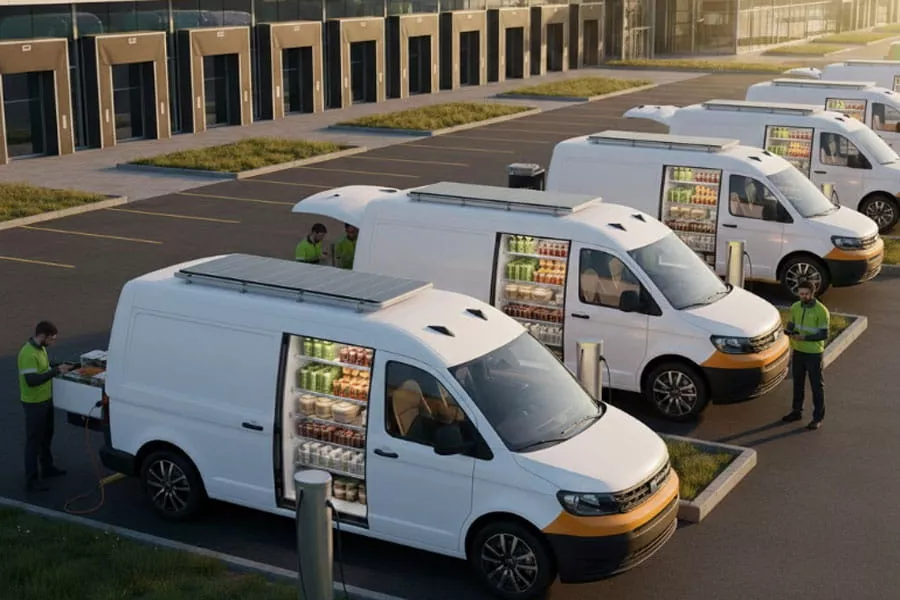
Food moves fast today. Customers expect fresh meals and safe groceries every time. Because of this shift, delivery fleets now carry more pressure than ever before. The food and beverage industry depends on speed, care, and trust. One late or warm delivery can hurt both sales and brand image.
At the same time, fuel costs rise and city rules grow tighter. So, many companies now look toward electric vehicles to handle daily delivery needs. Businesses want cleaner transport, lower bills, and better control over every trip. However, custom fleet planning helps bridge this gap. Nowadays, companies can have vehicles that match real delivery work.
A delivery route rarely runs exactly as planned. Traffic builds suddenly. Orders increase during peak hours. Drivers stop again and again across busy streets. Behind every trip sits a detailed supply chain that depends on timing and coordination.
Fresh meals, dairy items, and frozen goods all rely on stable temperature control throughout transport. Even short delays can affect quality before food reaches customers.
Many operators once depended fully on fuel vans. Over time, rising expenses pushed businesses to reconsider that model. An electric fleet now offers better control over routes, energy use, and daily scheduling.
Electric systems also allow teams to see what happens on the road in real time. Managers receive actual insights showing delivery progress, vehicle health, and route efficiency. This visibility removes much of the guesswork that once slowed decisions.
Food safety depends on steady handling from storage to doorstep. The cold chain must remain stable during loading, driving, waiting, and unloading. Any break in temperature can damage sensitive perishable goods before arrival.
Modern electric vans support efficient refrigeration units that operate smoothly throughout delivery cycles. Since electric systems run quietly and steadily, cooling continues even during long stops or congested routes.
This consistency helps businesses meet strict food safety expectations while maintaining required safety standards across operations. Moreover, consistent quality builds long term loyalty over time.
Running delivery operations involves constant financial balance. Fuel expenses, repairs, and downtime quickly increase total operating costs for growing fleets.
Electric transport helps reduce these pressures through steady cost savings over time. Electric motors contain fewer moving parts, which usually lowers maintenance needs compared to fuel vehicles. Less downtime means more complete deliveries.
Energy pricing also remains more predictable than fuel markets. Businesses plan expenses with greater confidence month after month.
Companies from every industry now monitor their environmental progress through dedicated tracking systems. The shift to electric vehicle fleets enables companies to achieve their sustainability targets while maintaining their delivery efficiency.
Customers today show greater awareness of sustainable transportation options. Eco-friendly delivery methods create a significant advantage for companies in urban areas where environmental protection is important. Financial stability and public trust usually develop together as people interact with each other.
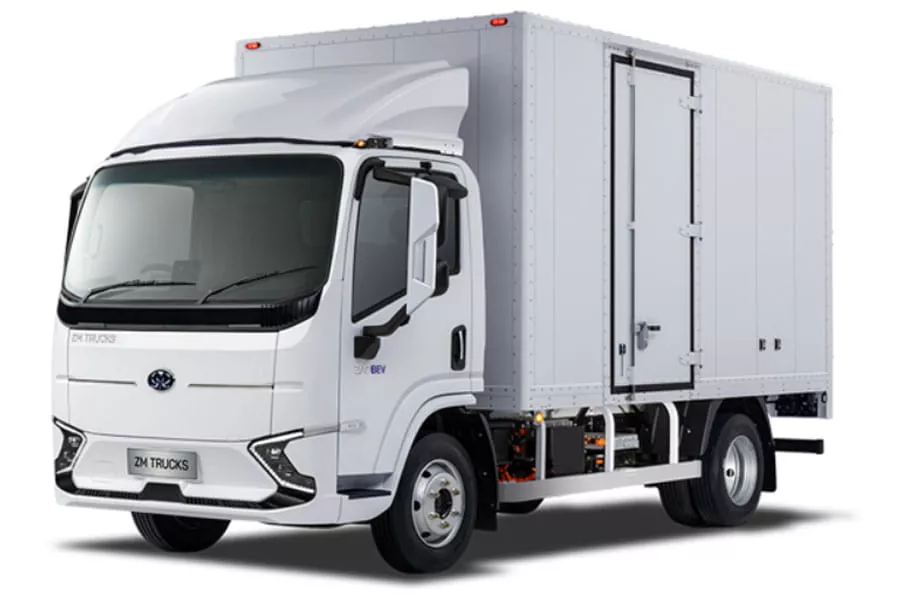
No two delivery networks operate the same way. Some businesses move frozen inventory across long routes, while others focus on short restaurant deliveries throughout the day. Because of this variation, flexible planning becomes essential. Vehicle size, cooling needs, and charging plans should be aligned with daily workloads rather than theoretical models.
Typical fleet adjustments may include:
These changes help drivers maintain steady performance even during demand spikes.
Customization matters because delivery work changes constantly. A bakery delivering early morning orders operates very differently from a frozen grocery distributor serving evening customers. Matching fleet design to real use keeps operations running smoothly.
In the past, fleet managers relied on phone updates or delayed reports. Today, connected systems provide constant visibility throughout delivery shifts.
With real time insights, teams monitor battery levels, vehicle location, and delivery timing without interruption. If traffic delays appear, routes adjust quickly to protect schedules.
Drivers also experience smoother workdays through improved navigation support. Quiet electric driving reduces fatigue during long urban routes.
Cold delivery operations gain added protection through temperature tracking tools. Managers confirm that temperature control remains stable from pickup to drop off. This helps reduce spoilage while protecting inventory value.
Over time, stronger visibility improves the entire supply chain. Businesses respond faster, plan smarter, and maintain consistent service quality.
Safety remains central to food logistics operations. Drivers manage valuable cargo while navigating crowded streets every day. Electric vehicles support safer handling through smoother acceleration and reduced noise levels.
Meeting transport safety standards becomes easier when fleets include automated monitoring systems. Alerts highlight issues early, allowing teams to act before problems grow serious.
Electric platforms also reduce vibration inside cargo areas. Packaging remains secure, and food products arrive in better condition. Businesses experience fewer damaged shipments and improved delivery reliability.
Reliable vehicles create predictable schedules. Customers receive orders when expected, and operations teams maintain steady performance across routes. Trust grows naturally when deliveries remain consistent.
Food delivery continues to expand as customer expectations rise across markets. Businesses now require fleet systems that protect freshness while controlling expenses carefully.
Fairway EV helps organizations build transport solutions designed around real delivery conditions. Customized planning supports energy efficiency, dependable cooling performance, and stronger operational control throughout daily routes.
Smart fleet choices today help businesses protect products, manage costs wisely, and deliver confidence with every shipment.
Diversity Supplier Participant


© Fairway EV. All rights reserved


