California no longer has an option of fleet electrification. Instead, it is transforming into an intelligent and required corporate decision. With increased regulation and rising fuel costs, fleets in the state are converting to electric vehicles. The shift is both sustainable and enhances long-term operational efficiency.
California is at the forefront of clean transportation policy nationwide. So the electrification of fleets is still booming across industries. Public agencies, delivery companies, campuses, and service fleets are making the switch. Consequently, the electric fleets are transforming the business operations.
California boasts one of the world's best clean air regulations. Indicatively, the Advanced Clean Fleets policy compels businesses to use zero-emission cars. As a result, fleets have to plan today to stay in line. Moreover, the state provides strong incentives. HVIP and other local utility rebate programs lower initial expenses. As a result, it makes electric cars less expensive to fleet operators.
In addition, the businesses in California are concerned with sustainability. Customers want an operation that is less polluted. That is why fleet electrification California leads to a better brand image and confidence.
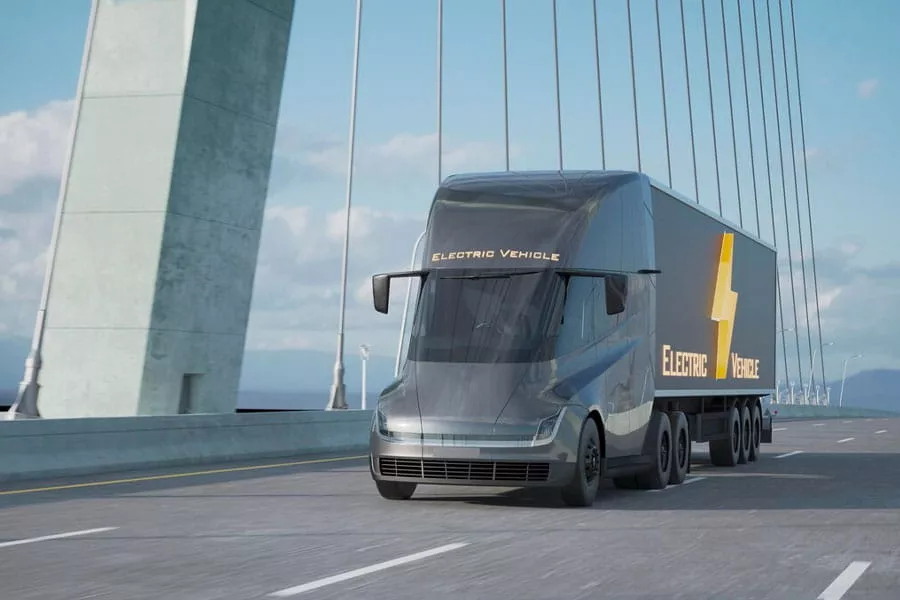
Fleet electrification California offers several benefits beyond reduced emissions. To begin with, electric cars have low operating costs. Electricity is still cheaper and more stable than gasoline and diesel.
Second, EVs are less maintained. They have fewer moving parts. Consequently, fewer fleets are repaired and put out of commission.
Third, electric fleets enhance driver satisfaction. EVs have low noise and vibration. Thus, drivers feel less tired when working on the daily routes.
Lastly, electrification facilitates long-term savings. Initial expenses might be higher, but total ownership expenditure decreases over time. As a result, the businesses experience financial certainty.
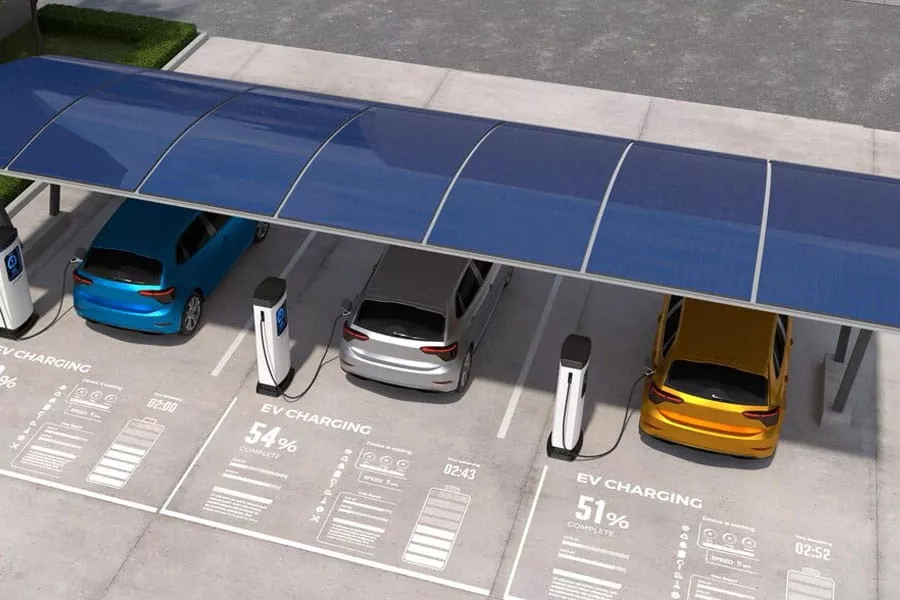
Despite the advantages, the electrification of fleets must be planned. The application of infrastructure is a significant factor. Fleets must install chargers at depots or worksites. However, early planning simplifies this process.
Next, route analysis matters. Fleet managers must evaluate mileage, payload, and duty cycles. Fortunately, modern EVs now meet most urban and regional fleet needs.
Additionally, training plays an important role. Drivers and technicians need education on EV operation and safety. Therefore, partnering with experienced EV service providers becomes critical.
California continues to support fleet electrification through financial programs. State grants reduce vehicle costs. Utility companies offer charger installation support. Meanwhile, federal tax credits add another layer of savings.
Because of these programs, many fleets recover investments faster than expected. As incentives evolve, staying informed becomes essential. Thus, expert guidance helps fleets maximize available funding.
Fleet electrification in California spans many industries. For instance, municipal fleets electrify buses, patrol vehicles, and maintenance carts. Similarly, universities electrify campus transportation.
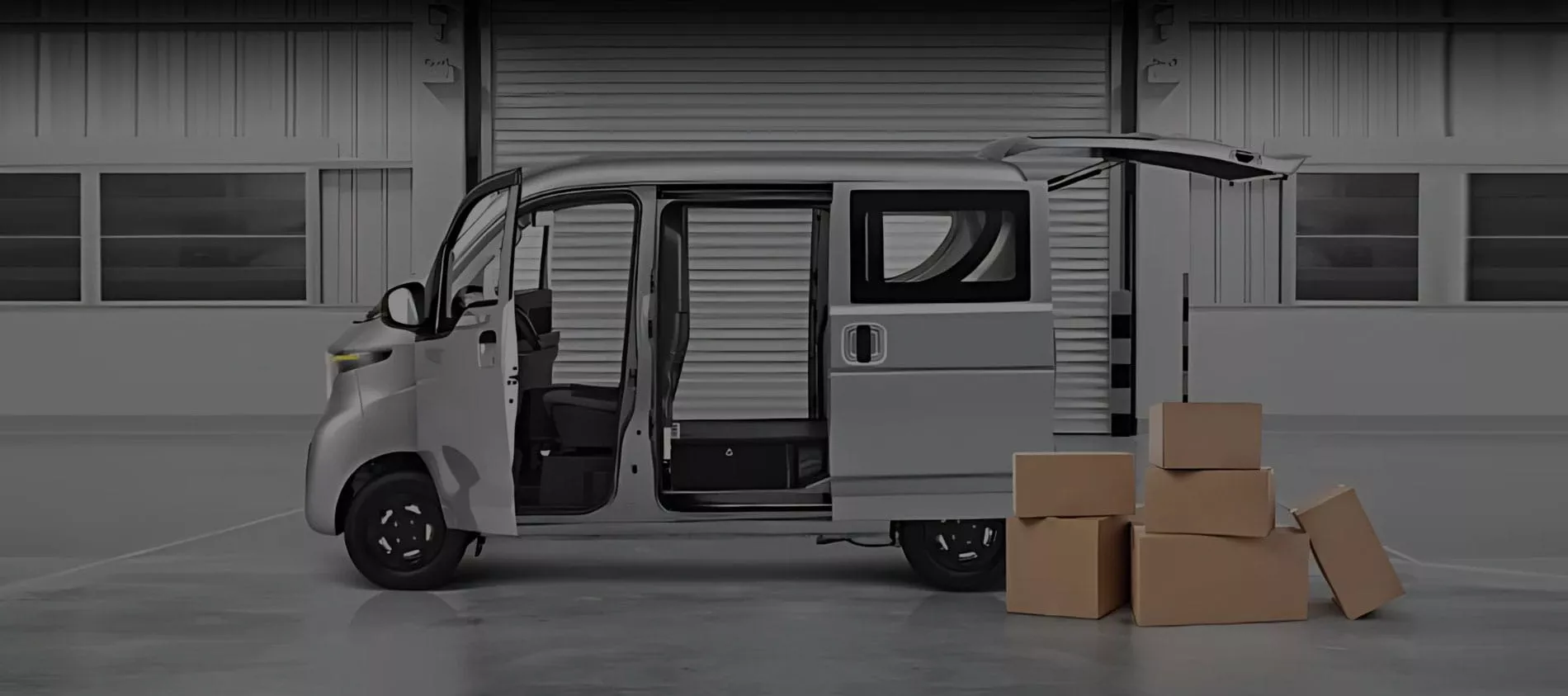
Delivery services benefit significantly. Electric vans reduce fuel expenses and meet urban emissions rules. Likewise, hospitality and resort fleets adopt EVs for quiet, guest-friendly transport.
Even industrial sites electrify small utility vehicles. These vehicles reduce noise and improve indoor air quality. Therefore, electrification adapts to a wide range of operational environments.
Fleet electrification California succeeds when service support remains strong. Vehicles need consistent maintenance and expert care. That is where trusted partners make a difference.
At this point in the journey, Fairway EV becomes a valuable resource. Our team understands California fleet requirements. We help clients maintain uptime and protect their investment. As a result, fleets transition with confidence.
Electric vehicles still need regular service. Battery checks, software updates, and drivetrain inspections matter. Therefore, working with qualified technicians ensures reliability.
Unlike traditional service providers, Fairway EV supports both EV and ICE fleets. This flexibility helps mixed fleets manage transitions smoothly. Consequently, businesses avoid service disruptions during electrification.
Additionally, centralized servicing reduces downtime. When fleets operate efficiently, productivity improves. Therefore, proactive maintenance becomes a strategic advantage.
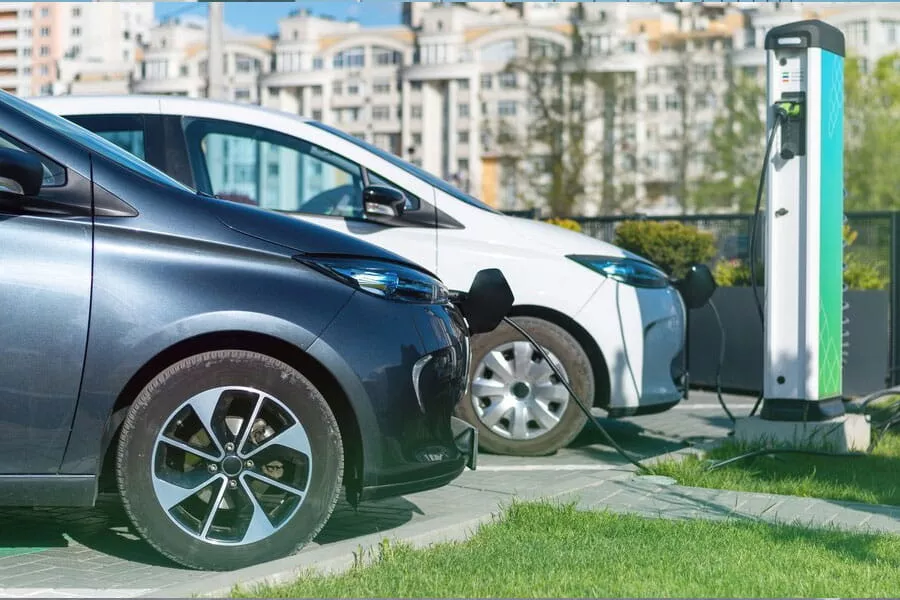
California will continue to electrify its fleet. Strictness will be further increased. In the meantime, technology will advance. Thus, early adopters have a competitive advantage.
What is planned today will provide a smooth transition tomorrow. With incentives, experience, and operational savings, fleets currently investing enjoy it. In addition, they place themselves as sustainability leaders. Fuel volatility also becomes a thing of the past through electric fleets. Electricity is stable as the world of energy markets evolves. Therefore, business sustainability is enabled through electrification.
Fleet electrification in California represents progress, responsibility, and opportunity. With proper planning, fleets can reduce costs while meeting environmental goals. More importantly, they build smarter operations for the future.
Working with experienced partners simplifies this journey. Fairway EV supports fleets every step of the way. We at Fairway EV service all the vehicles we sell and many other small vehicles, from EVs to ICE. Go to our Contact Page to ask about all of our Services.
Diversity Supplier Participant


© Fairway EV. All rights reserved


