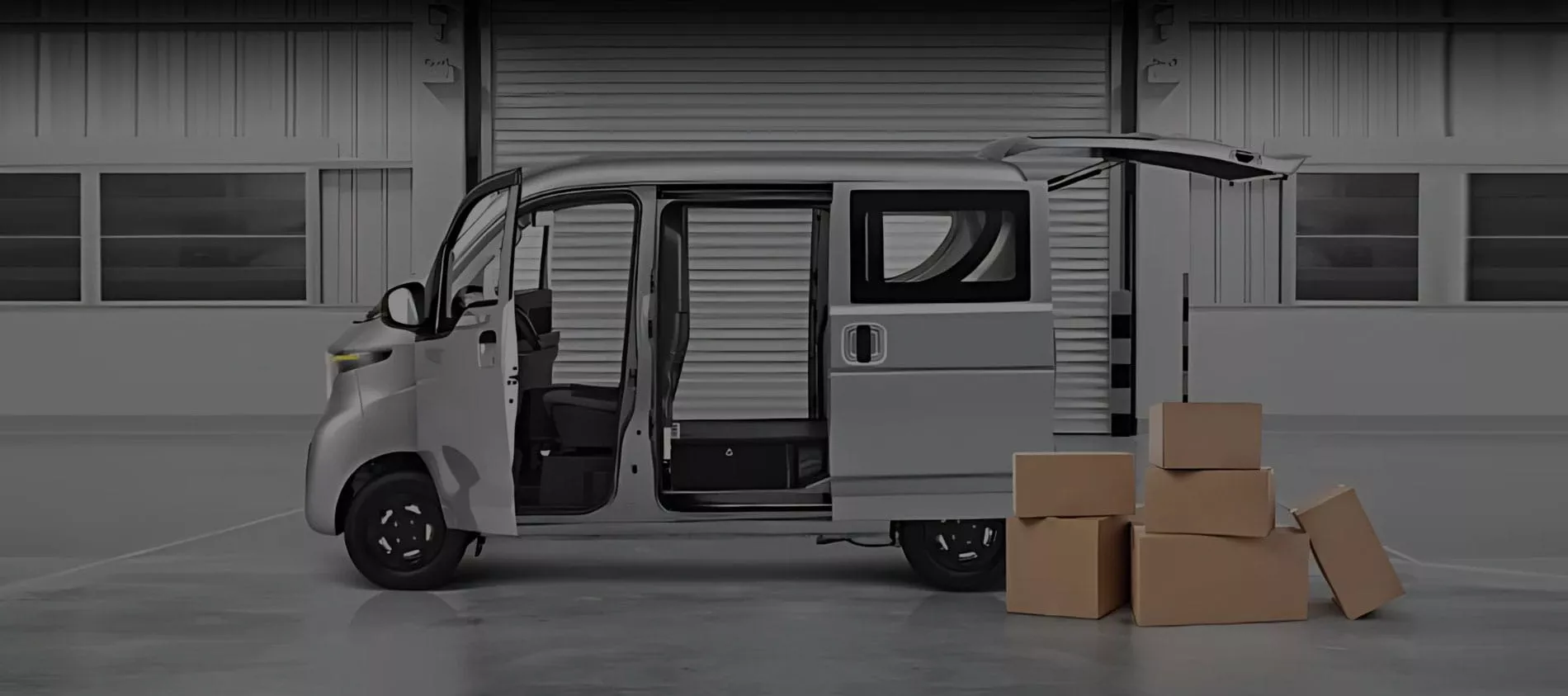
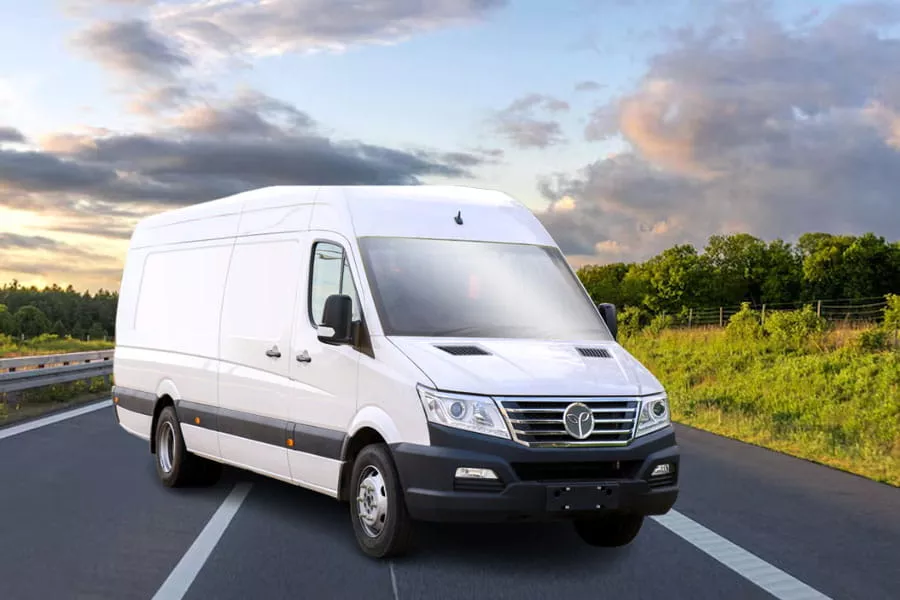
Electric commercial and utility vehicles are changing the market. Companies are considering EVs due to their efficiency and sustainability. EVs, however, are often custom. That is where up-fitting solutions become essential.
EV up-fitting adapts vehicles for real-world work. It ensures fleets perform better. It is also beneficial for safety and productivity. Consequently, companies get the optimum out of the electric investment.
EV upfitting is the process of adapting cars for specific purposes. Such modifications encompass storage systems, tool racks, safety gear, and power. Each upgrade supports daily operations.
Unlike traditional vehicles, EVs require specialized up-fitting. Weight balance matters. Power management matters. Therefore, expert planning is critical. When done right, up-fitting enhances performance. It also protects battery life. Most importantly, it keeps fleets reliable.
Commercial and utility fleets are used in harsh conditions. The tools, equipment, and materials are transported daily by vehicles. Inadequate setup leads to poor productivity. Up-fitted EVs improve workflow. Tools stay organized. Crews access equipment faster. Consequently, job completion times improve.
Additionally, up-fitting increases safety. Secure storage reduces shifting loads. Better lighting improves visibility. As a result, accident risks decrease.
EV up-fitting includes multiple solutions. Each serves a specific purpose. When combined, they create a powerful fleet setup.
Customized shelving maximizes interior space. It keeps tools secure and accessible. Therefore, crews waste less time searching for equipment. Lightweight materials also reduce vehicle strain. This helps maintain the driving range. As a result, efficiency stays high.
Utility fleets often need ladder racks. EV-specific racks distribute weight evenly. This protects vehicle balance. Exterior accessories also include pipe carriers and cargo boxes. These solutions expand capacity without harming performance.
Many crews need mobile power. EV up-fitting integrates inverters and auxiliary power systems. These systems run tools directly from the vehicle.
Intelligent power control prevents battery wastage. The vehicles are therefore running during the day.
Safety is always a priority. Up-fitting will include lighting, cameras, and warning systems. These attributes enhance consciousness in the working areas. Roadside crews are also guarded by high-visibility lighting. This reduces injuries and downtime.
EVs differ from gas vehicles. Batteries add weight and require protection. Cooling systems need airflow. Therefore, traditional up-fitting methods do not always work. EV-focused up-fitting considers these factors. Installations avoid battery zones. Weight stays evenly distributed. Energy efficiency remains intact. This specialized approach extends vehicle life. It also protects warranties. Therefore, working with EV experts is essential.
Midway through modern fleet upgrades, Fairway EV delivers tailored up-fitting solutions. Their team develops systems that prioritize performance without compromising range or reliability.
Diversity Supplier Participant


© Fairway EV. All rights reserved


