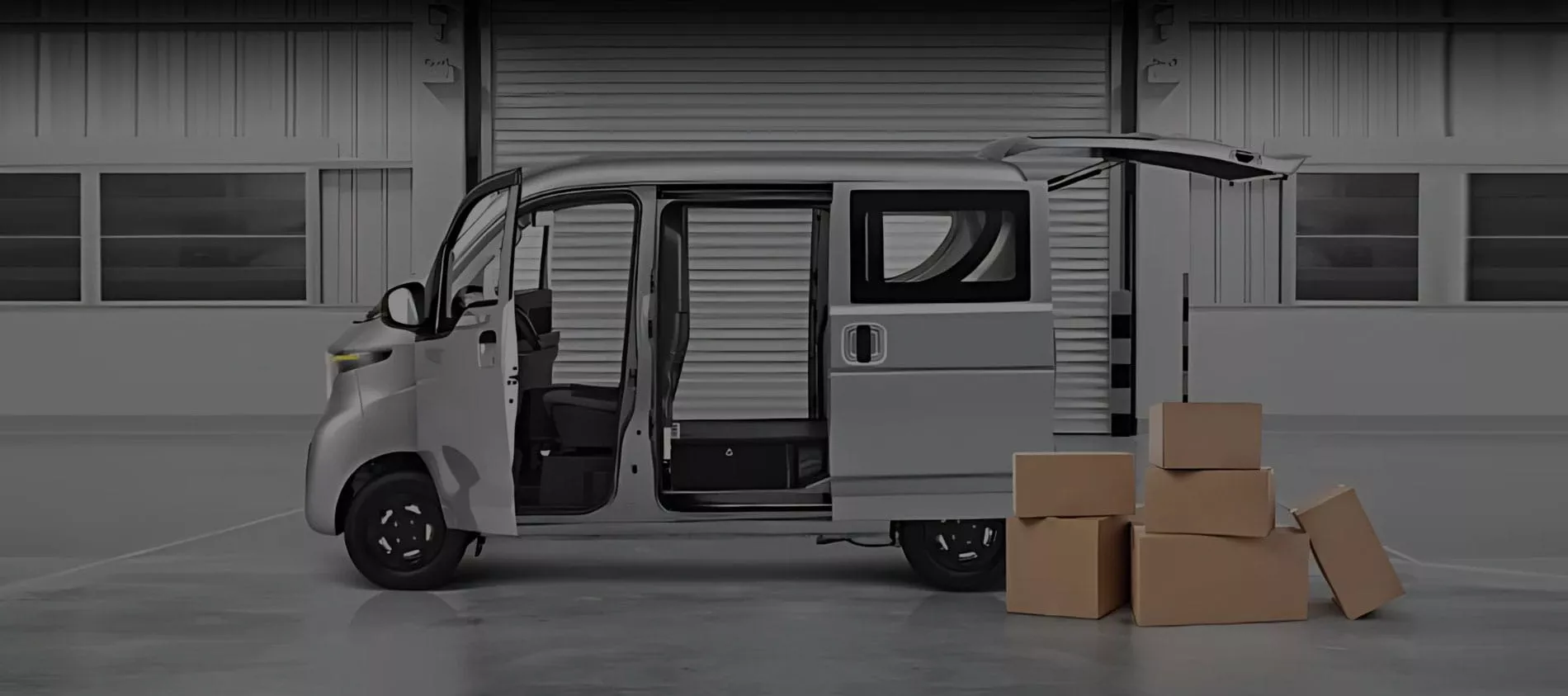
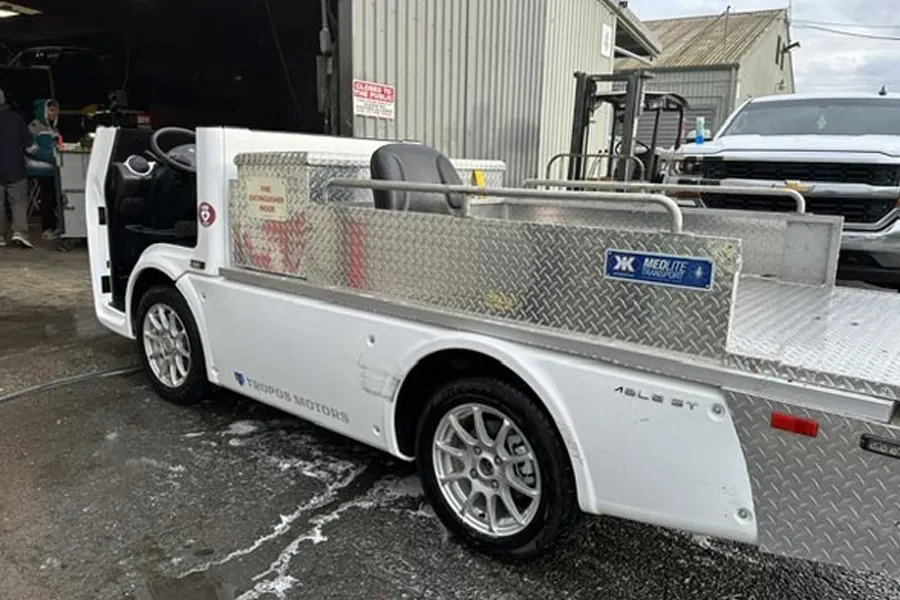
Running a fleet is a serious operation. Every truck that sits idle costs money. Every breakdown on a route hurts your schedule and your reputation. So, when companies start looking at fleet electrification, the smart ones are not just asking about the vehicles. They want to know how those vehicles get serviced and whether they can be configured to match actual job demands.
That question matters a lot more than people realize. A generic electric vehicle sitting in a lot is not the same as one that has been made for your specific routes, your cargo type, and your team. And one that receives regular, expert care performs at a completely different level than one that gets ignored until something breaks.
Picture a city utility crew. They need racks for equipment, mounted work lights, and enough range to cover multiple stops across a full shift. Or think about a food delivery company that needs refrigerated storage and easy rear loading built right into the truck body.
A standard commercial EV does not arrive ready for either of those jobs. Customization closes the gap between what a vehicle ships with and what real daily work actually demands. When a vehicle fits the work, drivers move faster, carry more, and stop less often.
Fleet operators that put resources into proper upfitting usually see fewer delays, and drivers also seem less frustrated. Those results by themselves boost how well everything runs, and it echoes across each and every route, every week, like a quiet ripple effect everywhere.
A lot of people still think that electric fleets need almost no maintenance because they carry fewer moving parts. That part is true. You do not deal with oil changes, transmission fluid, exhaust systems, or spark plugs. But EV fleets still need real attention to stay productive.
Battery health, software updates, braking systems, and tire wear all need regular checkups, not just "when something happens". And unlike a diesel truck where you might hear the trouble slowly coming, EV problems often show up in the data first, before they turn into anything physical. With the right service team on it, those early warning clues get caught in time before your driver even feels like something is off or starts wondering why the ride seems a bit different.
This kind of proactive care keeps electric fleets running on schedule, reduces surprise downtime, and significantly lowers your total cost of ownership across the full life of the vehicles.
| Cost Area | Traditional Fleet | Electric Fleet |
|---|---|---|
| Fuel Costs | High and unpredictable | Lower and more stable |
| Maintenance Costs | Frequent and varied | Reduced with fewer moving parts |
| Total Cost of Ownership | Higher across 5 years | Lower with proper servicing |
| Downtime Risk | High | Low with expert care |
| Emissions Compliance | Ongoing pressure | Easier to meet requirements |
Fuel costs and maintenance costs drop consistently after switching to an electric fleet. Operational costs become more predictable month over month, which makes budgeting far less stressful for operations teams.
You can have the best commercial EV fleet on the market and still run into serious problems if your charging infrastructure does not match your schedule.
Smart charging infrastructure planning covers four key areas:
A robust fleet management covers the whole charging setup, not just the vehicles themselves.
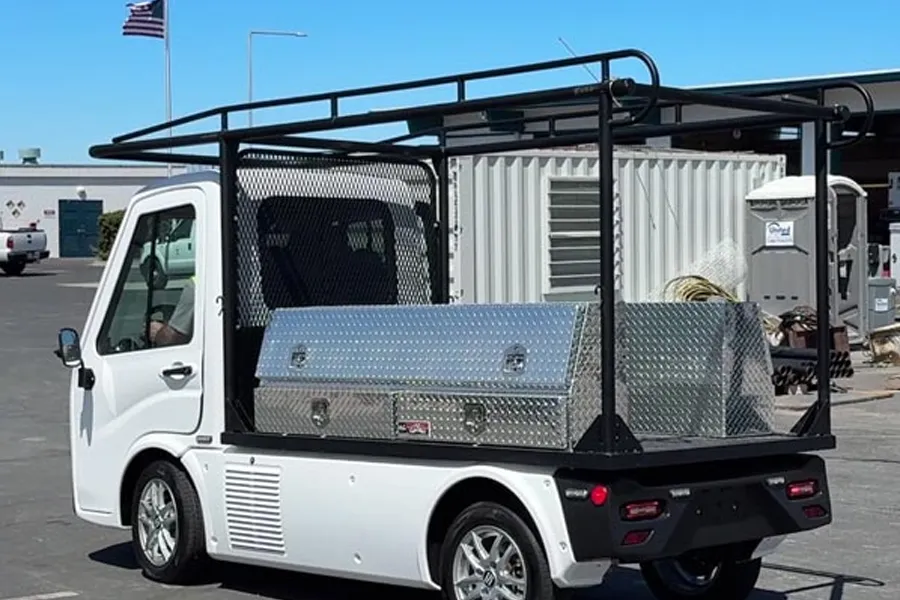
Medium duty trucks cover challenging routes and burn through fuel and maintenance budgets faster than almost any other vehicle category. When those same vehicles shift to electric, the savings compound quickly. Lower fuel costs start from the very first week. Fewer moving parts mean fewer repairs.
For companies chasing sustainability goals, medium duty electrification delivers some of the fastest measurable emissions reductions available.
We at Fairway EV know that no two operations run the same way. That is exactly why we do not just sell electric vehicles and walk away. We help fleet operators get their trucks serviced, customized, and supported with the right charging infrastructure from day one.
Whether you are just beginning your fleet electrification journey or you already run EV fleets and want to reduce operational costs, cut maintenance costs, and hit your sustainability goals faster, our team works through every detail with you. Contact us and we will build something that fits your operation.
Companies typically save 40 to 60 percent on fuel costs and see significant reductions in maintenance expenses. Exact savings depend on fleet size, vehicle type, and daily usage patterns.
Electric vehicles need battery health checks, software updates, tire rotations, and brake system inspections. They require less frequent service overall compared to traditional fuel-powered vehicles.
DC fast charging brings many vehicles to 80 percent capacity within 30 to 60 minutes. Level 2 overnight charging takes several hours but works well for fleets parked between shifts.
Total cost of ownership adds up the purchase price, ongoing fuel costs, maintenance costs, and downtime losses. Electric fleets consistently show lower five-year totals compared to fuel-powered options.
Yes. Many medium duty electric vehicles carry strong payload capacity and sufficient daily range for commercial routes, making them a practical and reliable choice for demanding operational environments.
Diversity Supplier Participant


© Fairway EV. All rights reserved


