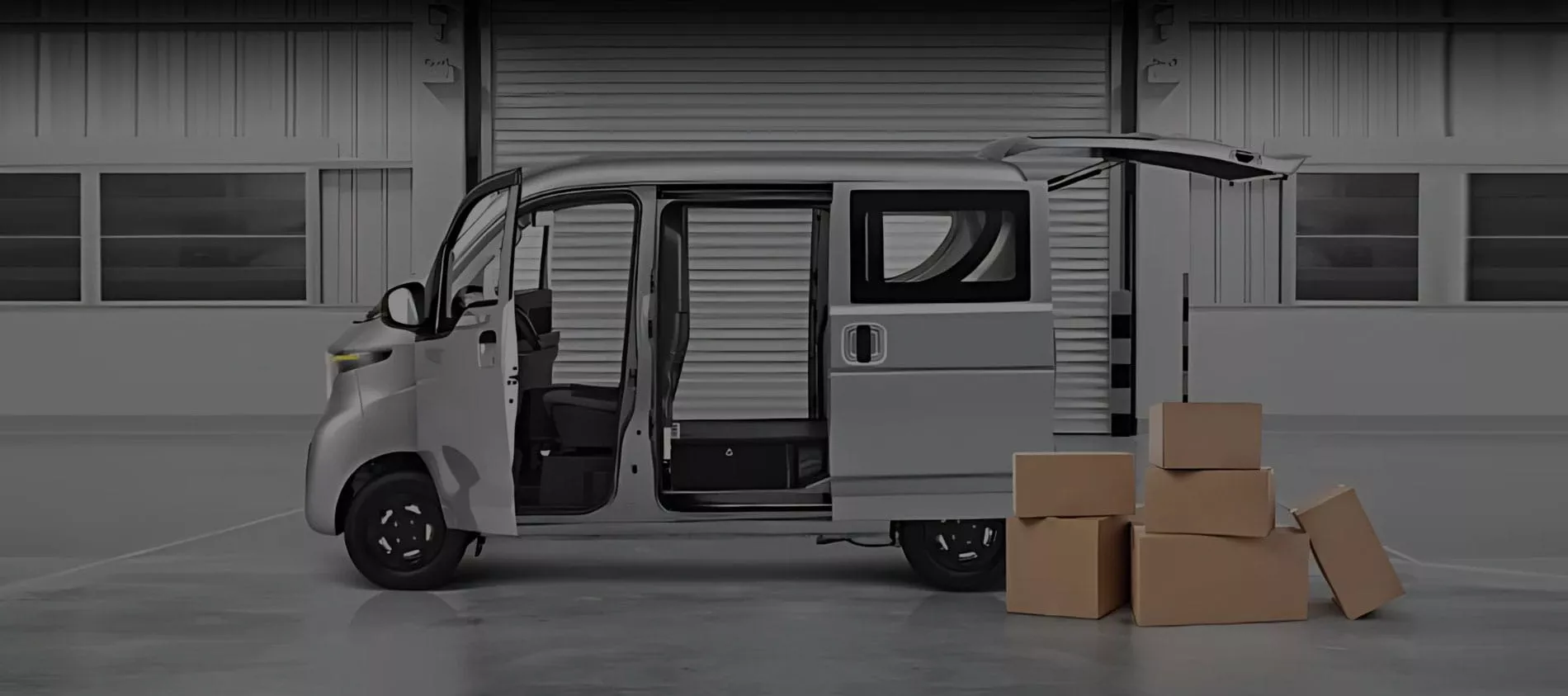
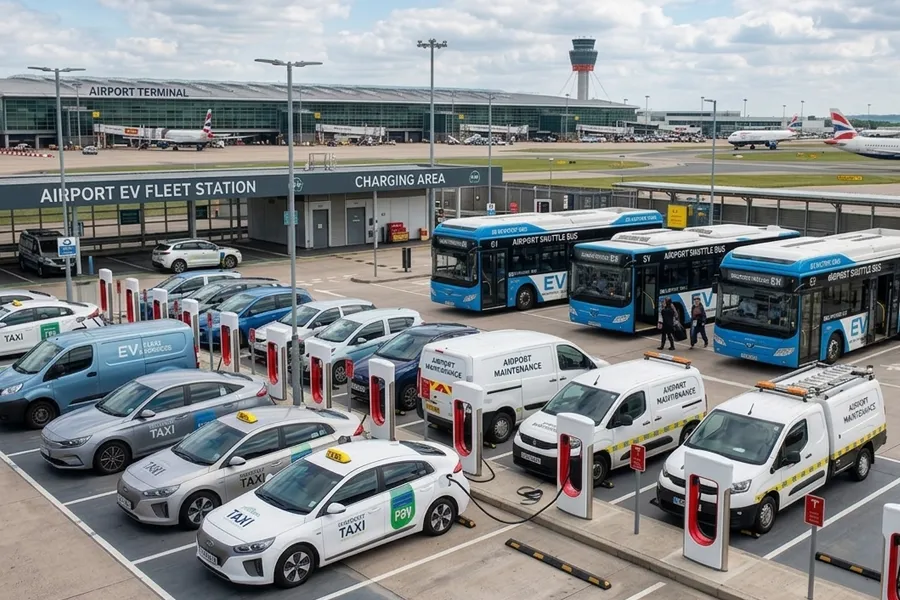
Imagine a situation where you just landed after a six-hour flight. You’re tired, bags in hand, and before you even reach the main terminal some random person is like, hey come on this way. They wave you onto a shuttle and you’re in it, somehow that ride is over in maybe two minutes, but you still feel it. Because its seat might be cracked or its motor groans, or the whole thing shakes like it’s on its last legs, you notice. And so does every other passenger on it.
That's the moment airports, stadiums, and event venues often overlook. The ground transport. And while more venues are now switching to electric vehicle fleets, the ones actually getting it right aren't just buying EVs off a catalog. They're building fleets around how their specific space actually works.
Do you know what an airport kind of really gets involved with? Like thousands of passengers moving through every single day, those tight tarmac corridors, constant luggage handling, and vehicles that need to turn around fast between flights. It isn’t just one thing happening, it’s more like a whole web of small tasks going on at once and also in parallel, somehow. A generic shuttle wasn't designed for any of that. It just gets forced into it.
Airport EV shuttles built for those conditions perform completely differently. The dimensions fit the access lanes. The cargo space works for actual luggage loads, and the turnaround cycle doesn't eat into gate schedules.
Stadiums run into a different wall entirely. When 65,000 fans decide to leave all at once after the final whistle, crowd movement gets fast and a bit chaotic, even if it looks “organized”. Customized EV people movers, with the right door width, smart boarding layouts, and a real passenger capacity, do not just handle that rush. They absorb it without slowing everything else down.
And then there's the brand side. Passenger flow, route efficiency, and fleet presentation all need attention at once. A tailored electric fleet lets venue operators pull all three together without sacrificing one for another.
Most people hear "customization" and picture someone slapping a logo on the door panel. It goes way deeper than that.
Here's what a real custom EV fleet build actually covers:
None of these pieces work well on their own. When they're all thought through together, the electric fleet stops being just a transport option and starts becoming a working part of how guests move through and experience the venue.
An airport's problems and a music festival's problems don't belong in the same conversation. Here's a breakdown that makes the differences clearer:
| Venue Type | Primary Customization Need | Most Common EV Use Case |
|---|---|---|
| Airport | Compact footprint, luggage capacity, fast cycle times | Terminal-to-gate shuttles, tarmac ground support |
| Stadium | High passenger volume, crowd handling, visible branding | Fan transport, security and staff mobility |
| Event Venue | Flexible interiors, VIP comfort, visual presentation | Guest arrival loops, on-property transfers |
| Convention Center | Quiet indoor operation, tight navigation, low emissions | Hall connections, exhibitor and vendor transport |
What an airport needs most is speed and reliability. A stadium needs scale and crowd control. An event venue cares most about how the whole thing looks and feels for guests. Treating these as the same problem leads to fleets that don't quite fit any of them.
The savings are real, and federal data backs it up.
Electric vehicles cost far less per mile to operate than fuel powered ones. According to the U.S. Department of Energy's Alternative Fuels Data Center, EVs cost around 3 to 5 cents per mile to run versus 10 to 15 cents per mile for gasoline vehicles.
For a fleet covering hundreds of miles daily across a large stadium campus or airport property, that difference stacks into real annual savings before you even factor in fuel price swings.
Customization also cuts maintenance costs in a way that's easy to miss at first. A vehicle purpose-built for a specific task doesn't get overloaded the way an adapted one does. Fewer breakdowns, shorter downtime windows, and repair bills that don't blindside your operations budget mid-season.
At Fairway EV, we work closely with airports, stadiums, and event venues to put together electric vehicle fleets that fit how each property actually operates day to day. Our team gets into the details, from seating layouts and vehicle dimensions to charging infrastructure placement and full branding execution, so every vehicle we deliver performs from the moment it arrives on your property. We stay involved well after delivery too, because that's when the real work of keeping a fleet running actually starts. Contact us now and we’ll walk you through a fleet built for your venue, not borrowed from a general catalog.
Most customized orders take 8 to 20 weeks from order confirmation to full delivery, depending on fleet size, required structural changes, and any venue specific adjustments needed throughout the process.
Yes. Smaller venues still gain through lower fuel costs, stronger on property branding, and the ability to stay ahead of tightening local emission standards without waiting for pressure to force the change.
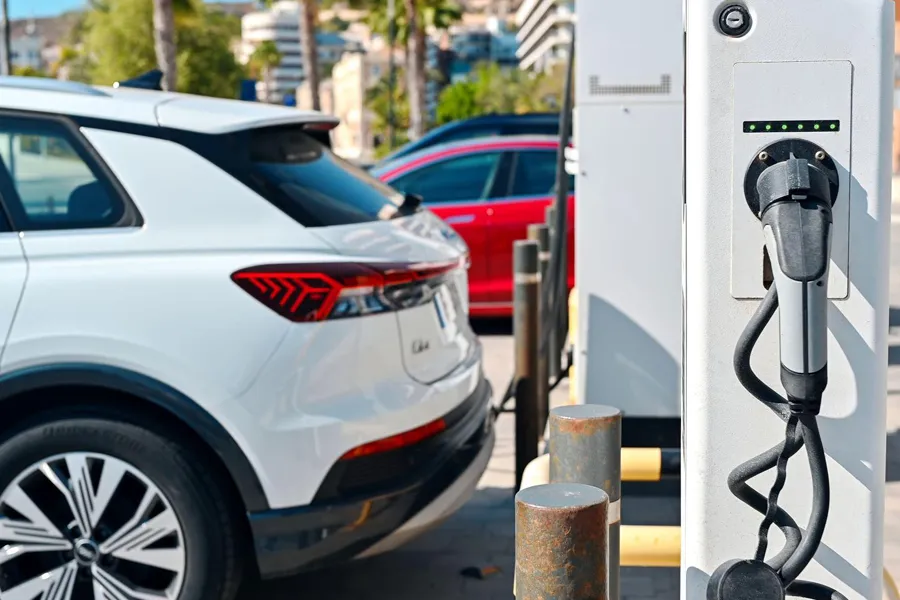
Most venues rely on a mix of Level 2 and DC fast chargers placed across key zones to keep vehicles operational between peak periods and shift rotations throughout the operating day.
Basic EV training helps, especially around regenerative braking and charging routines. Most drivers get comfortable with the operational differences within a reasonably short adjustment period on the job.
Yes. Most venues phase the transition over time, starting with the highest demand vehicles and expanding the electric share as charging infrastructure and available budget allow.
Diversity Supplier Participant


© Fairway EV. All rights reserved


