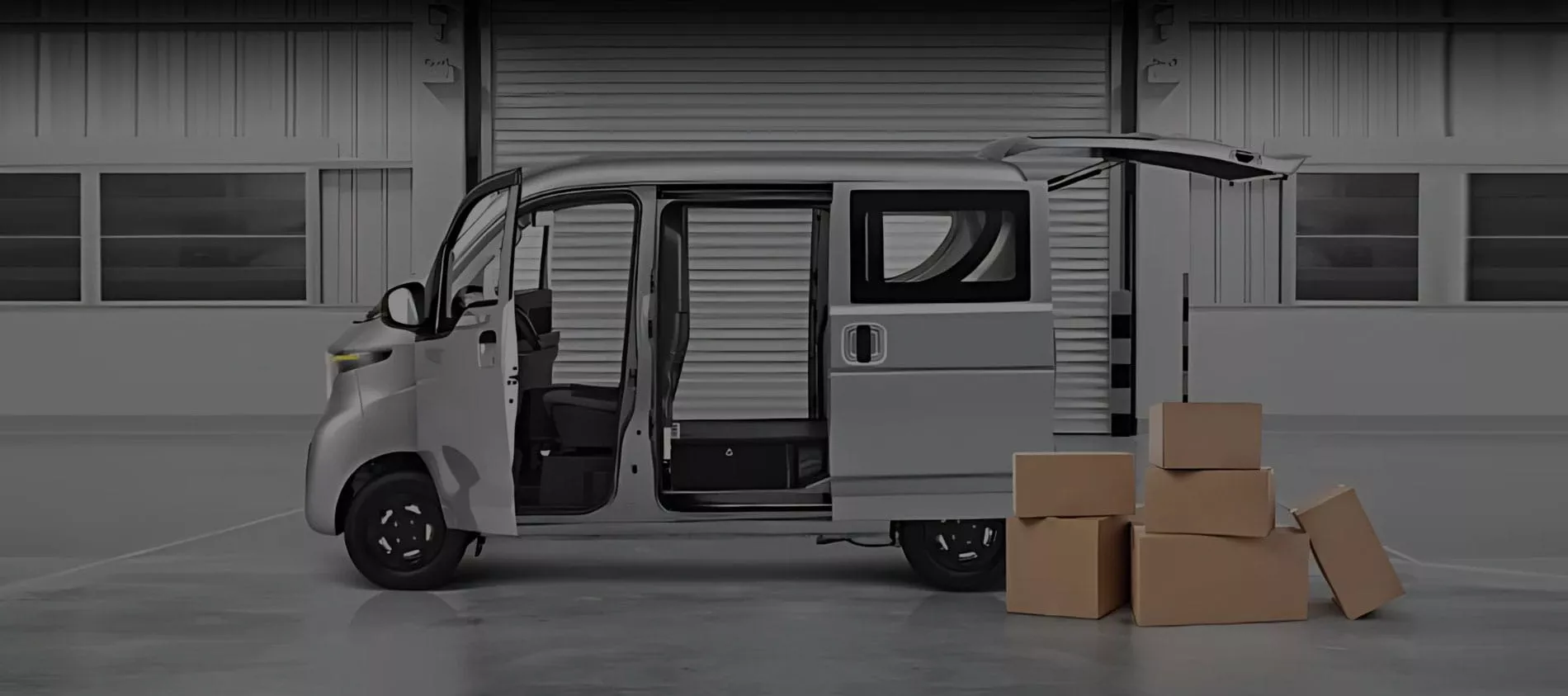
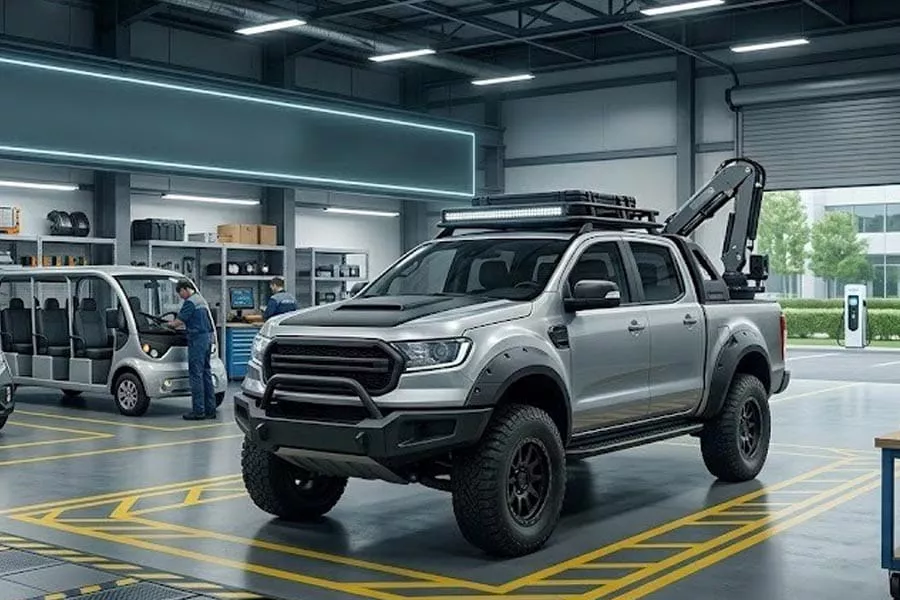
Your campus fleet is bleeding money. Relying on outdated transport not only wastes cash but also burns unnecessary fuel and deeply frustrates your sustainability team every quarter. You need a smarter way to move people and heavy gear across large properties. Switching to electric utility vehicles solves this exact problem immediately.
This article gives you actionable insights on reducing fuel and maintenance budgets while hitting those stubborn sustainability goals your executive board mandates.
Not all campus carts are identical. You cannot purchase a standard recreational golf cart and expect it to haul heavy landscaping supplies without destroying itself. Proper vehicle designation matters enormously. A low-speed vehicle built for passenger transport fails fast under heavy-duty cargo demands.
Think of a well-meaning procurement director who bought off-the-shelf passenger carts for the landscaping team to save money upfront. The basic suspensions collapsed within six months. Carts sat idle and the savings evaporated in repair bills. What this means for you is that you must match the vehicle's engineering to the exact job profile your daily staff requires.
Service and up-fitting options for maintenance crews include enclosed, lockable tool boxes, heavy-duty ladder racks and integrated high-pressure washing tanks. With these configs, a basic open-air cart becomes some kind of fully mobile workshop, or close enough. Your crew carries exactly what they need in a single run, every time.
Let's take a look at why this matters in the real world. When a maintenance technician has every tool organized on a customized cart they fix issues faster, and there is less fuss. No backtracking across campus for a forgotten part. Operational downtime shrinks and labor efficiency spikes drastically.
Security protocols require a completely different physical setup. Up-fits for this department mean high-visibility amber light bars, weather enclosures for freezing night shifts, and secure lockboxes for sensitive medical equipment or expensive radios.
Electric motors tend to run in near-total silence, so your security team can patrol large grounds at night without waking nearby residential neighborhoods or bothering late-night workers. That quiet is a genuine operational advantage gas-powered carts cannot replicate.
That said, passenger comfort and quiet operation are merely nice bonuses. The real argument gets made directly on the balance sheet. Smart fleet operators think about the full total cost of ownership, and electric fleets come out on top in that money comparison every single time.
Traditional gas engines rely on hundreds of moving parts grinding together constantly. Each one is a potential failure point requiring parts, technician hours, and downtime. Electric motors operate with a fraction of that mechanical complexity. Fewer moving parts mean a dramatic drop in ongoing maintenance costs.
Maintaining a gas truck is like owning a mechanical watch. Tiny gears, constant lubrication, perpetual adjustment. Maintaining an electric vehicle is like owning a digital watch. It just works. Oil changes disappear from your schedule. Spark plug replacements vanish. The drop in fuel and maintenance expenses becomes immediate and easily measurable.
Executive boards aren't just suggesting greener operations anymore. They're mandating them with hard targets and annual deadlines. You're very likely the exact person tasked with turning those strict environmental mandates into operational reality this year.
Replacing aging diesel trucks with a zero-emission fleet gives you a highly visible win. Employees see it. Stakeholders see it. It proves your company's environmental commitment is backed by real operational decisions, not just polished press releases.
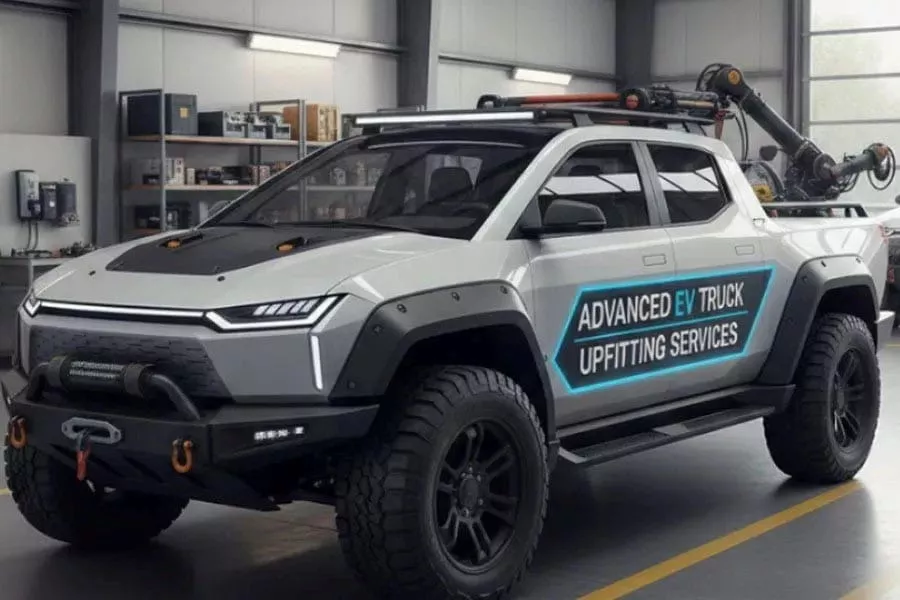
Up-fitting isn't slapping a corporate sticker on a cheap cart. It's a ground-up, purposeful customization designed entirely to solve specific operational headaches on your property. Start with the job requirement. Build the vehicle around it.
Choosing the right speed vehicle classification also matters for logistics. A street-legal low speed vehicle can legally cross public roads between divided campus buildings. This provides a massive logistical advantage over standard carts trapped entirely on one side of a property.
Side-by-side comparisons help you make the right purchasing argument when presenting budget requests to your finance team.
| Feature | Standard Golf Cart | Up-Fitted Electric Utility Vehicle |
|---|---|---|
| Primary Use | Moving 2-4 passengers casually | Heavy maintenance, security patrols, EMS |
| Payload Capacity | Light duty, standard shocks | Heavy duty, reinforced industrial shocks |
| Customization Level | Minimal (paint color, seat fabric) | Ladder racks, lockboxes, amber light bars |
| Ideal Terrain | Flat paved paths, manicured grass | Rough campus terrain, curbs, steep grades |
The comparison above shows that EVs and ICE vehicles each come with trade-offs. But for fleet operators who invest in proper upfitting, the electric option wins on efficiency and cost management over time.
Your campus deserves better than a noisy, expensive, and outdated fleet. Clinging to gas-powered trucks drains your budget and actively works against your corporate environmental targets. You have the facts. You understand the math behind the massive drop in fuel and maintenance expenses.
Now it is time to act. Stop settling for standard carts that break under pressure. Upgrade to a fleet tailored to your exact operational needs. Fairway EV builds customized, heavy-duty electric utility vehicles designed to make your facility run smoother, quieter, and greener. Contact us today to start building your perfect campus fleet.
Certain questions keep coming up when facility managers plan their future fleets. Here are the direct answers they need to make smart choices.
Modern lithium-ion batteries in electric utility vehicles generally last between five and eight years. Proper charging habits significantly extend their overall lifespan and daily operational range.
Yes, if they hold a specific Low Speed Vehicle designation. This classification requires seatbelts, headlights, and turn signals, allowing travel on roads under 35 mph.
Most modern models plug directly into standard 110V or 220V outlets. You do not always need expensive, specialized charging infrastructure to keep your fleet operational.
Heavy-duty models can haul up to 1,500 pounds safely. Up-fitting options like reinforced suspensions and hydraulic lift beds make managing heavy campus loads incredibly easy.
Electric carts handle winter well if equipped with weather enclosures and proper tires. However, extreme cold can slightly reduce battery range, requiring smarter charging schedules.
Diversity Supplier Participant


© Fairway EV. All rights reserved


