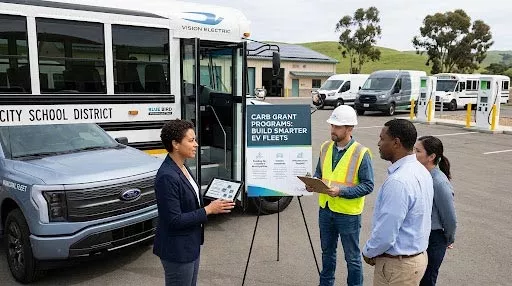
Electric vehicles are continuing to change the face of public transportation across California. There are more opportunities for schools and municipalities to replace aging gas-powered fleets with cleaner alternatives. However, upfront costs can slow the transition.
Fortunately, California Air Resources Board (CARB) grant programs help reduce those costs. These funding opportunities for electric fleet adoption make it more affordable and practical. As a result, organizations and companies can improve sustainability while lowering operating expenses.
The California Air Resources Board created plenty of grant programs to encourage clean transportation. In addition to this, such programs support schools, organizations, and public agencies that want to replace older vehicles with zero-emission alternatives.
Numerous grants pay for a large part of the cost of a car. Several also provide financial incentives for charging stations and other equipment.
Popular funding programs often support:
This is the reason that educational institutions and municipalities can modernize fleets without carrying the full financial burden. You can read this blog also- School District Electric Vehicles
Electric fleets provide long-term value beyond environmental benefits.
Key advantages include:
Also, electric vehicles have fewer moving parts than gasoline vehicles. So, maintenance is easier and more predictable. Schools especially benefit because quieter buses create a more comfortable ride for students.
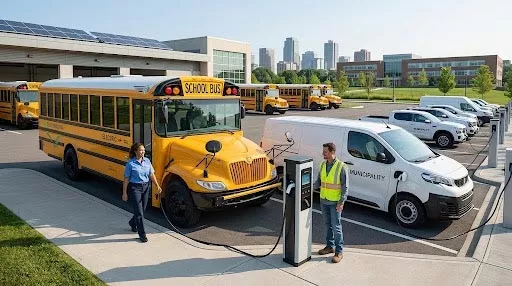
Several organizations hesitate because electric vehicles require larger initial investments. Yes, it is true. CARB grants help offset these expenses by covering costs such as:
So, total ownership costs become much more manageable. Also, lower operating costs continue generating savings for many years after deployment.
Preparing early increases approval chances.
You must follow these simple steps:
Review vehicle age, mileage, repair history, and fuel costs. Older vehicles often qualify for replacement funding.
Find out which vehicles operate daily. Also, choose EV models that match real operational demands.
A variety of programs, including CARB programs, support different vehicle categories. You must always verify eligibility before submitting applications.
Gather:
Complete documentation speeds application processing.
Charging availability remains essential. Plan charging locations before buying vehicles. This preparation strengthens grant applications.
Building an EV fleet involves more than purchasing vehicles. Trustworthy charging infrastructure keeps operations running smoothly.
You must consider:
Planning today prevents expensive upgrades later. Furthermore, scalable charging systems support future growth.
A lot of public organizations use electric vehicles every day.
Examples include:
Electric replacements frequently deliver exceptional performance as these vehicles follow predictable routes. You can read this also- Why Professional Electric Fleet Maintenance Is Critical for Long-Term Performance
CARB grants reduce purchase costs today.
However, long-term savings create even greater value.
Electric fleets typically offer:
Consequently, organizations can redirect budget savings toward education, infrastructure, or community services.
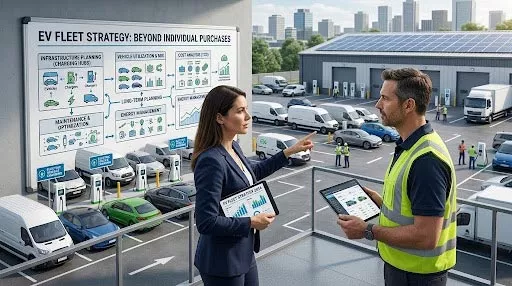
Successful organizations create long-term fleet plans. Rather than replacing vehicles one at a time, they evaluate the entire fleet.
A smart strategy includes:
This approach improves efficiency while maximizing funding opportunities.
Electric vehicles require less maintenance than traditional vehicles. However, regular inspections still protect performance.
Routine maintenance includes:
Preventive maintenance extends vehicle life and reduces unexpected downtime. Professional servicing also protects your investment for years.
Grant funding helps purchase vehicles. Yet maintaining those vehicles remains equally important. Choose an experienced EV service provider that understands commercial fleet operations.
Look for companies offering:
An experienced partner helps maximize fleet reliability while protecting long-term investments.
Building an electric fleet requires more than purchasing vehicles. It requires dependable maintenance and expert support. Fairway EV is an expert in the repair and maintenance of popular electric vehicles like Sevic, Taylor Dunn, GEM, Yamaha, Mullen, Tropos, E-Ride, IndiGO, and more. From school buses to municipal and government vehicles, our trusted team can ensure your electric vehicles are operating safely, efficiently and reliably. Contact Fairway EV today to support your growing EV fleet with trusted maintenance solutions.
Schools, municipalities, and eligible public organizations can apply for funding to purchase qualifying electric fleet vehicles.
Many CARB programs include funding for charging equipment, installation, infrastructure upgrades, and related fleet improvements together.
Electric fleets reduce fuel expenses, maintenance costs, emissions, and noise while improving long-term operational efficiency significantly.
Schedule regular inspections, battery checks, software updates, and preventive maintenance to maximize reliability and vehicle lifespan.
Fairway EV services leading electric vehicle brands, ensuring dependable maintenance, repairs, diagnostics, and fleet performance every day.
Diversity Supplier Participant


© Fairway EV. All rights reserved


