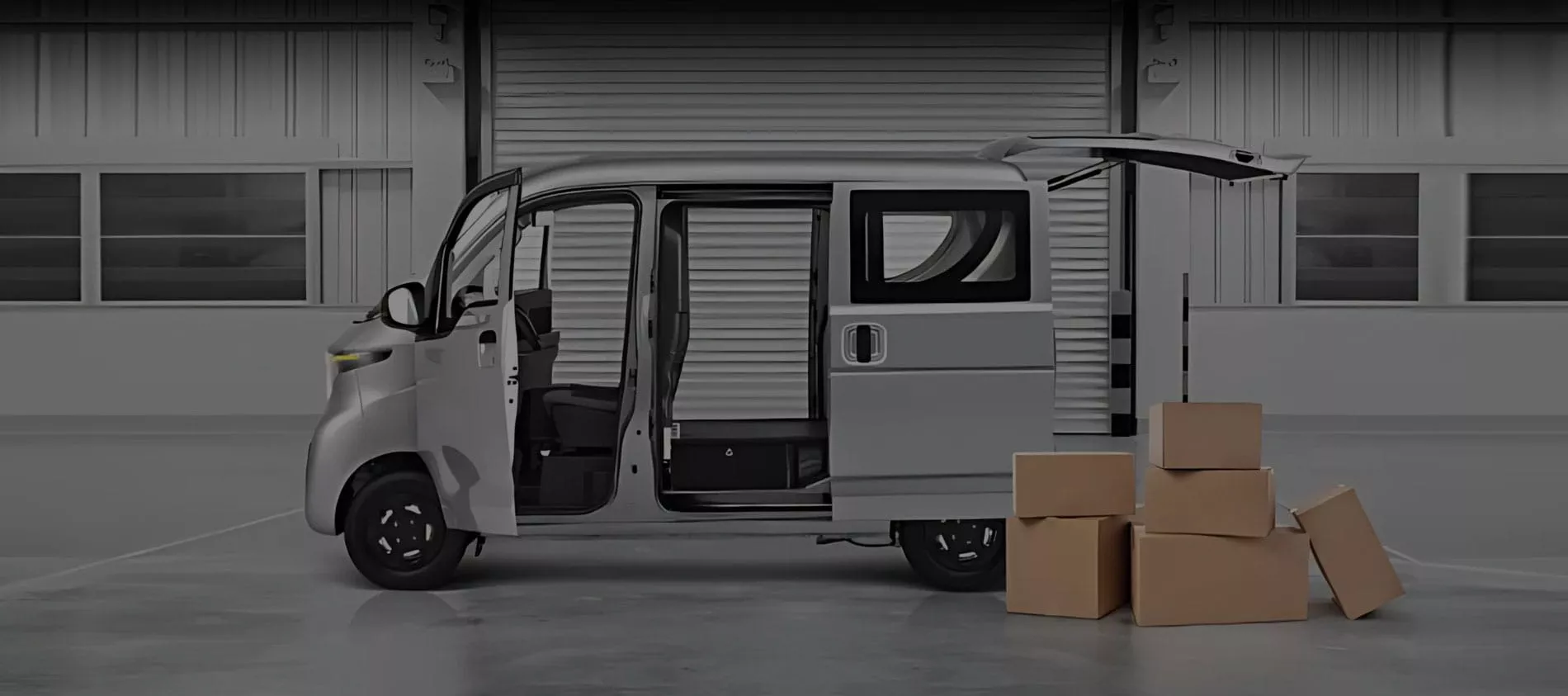
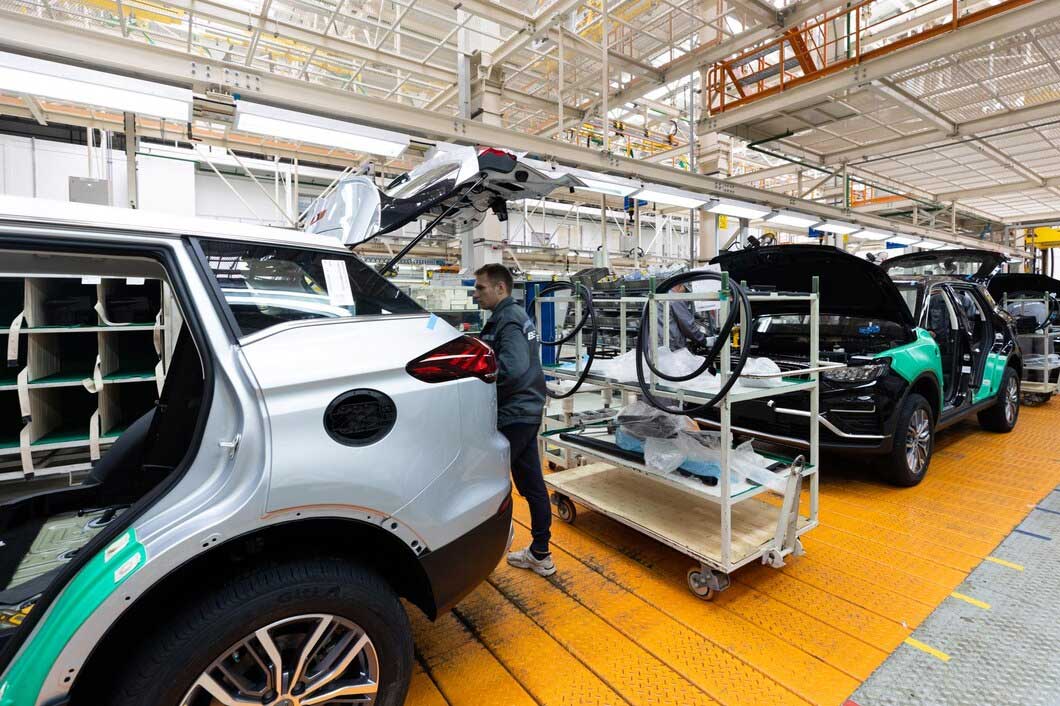
Electric vehicles are not just for private driving anymore. Many groups now use them for work tasks. This includes transport, moving goods, servicing sites, handling deliveries, and running special jobs.
Still, regular vehicles do not always match what every workplace needs. Different industries have different routes, loads, workspaces, and operational requirements. That is where customized electric vehicles can make a difference.
By adapting an electric vehicle to a specific task, organizations can improve workflow efficiency and simplify daily operations. Custom configurations can also help employees' complete tasks with fewer unnecessary movements.
A customized electric vehicle is designed or modified around a specific operational requirement. Customization can involve the vehicle's body, storage, seating, cargo area, controls, or accessories.
Depending on the application, organizations may customize:
Therefore, businesses can create vehicles that support their actual workflow instead of adapting their workflow around a standard vehicle.
Productivity often depends on how quickly employees can move between work areas.
In large facilities, employees may spend considerable time traveling between buildings, storage areas, loading zones, or service locations.
A properly configured electric utility vehicle can help reduce this travel time.
For example, maintenance employees can carry tools and replacement materials directly to a work location. They may avoid repeated trips back to a central storage area.
As a result, employees can spend more time completing productive tasks.
Manufacturing facilities often require constant movement of materials, tools, components, and employees.
Customized electric vehicles can support these activities.
A facility might use electric vehicles with:
These configurations can help employees move supplies efficiently across large facilities.
Furthermore, electric vehicles can operate effectively in environments where low-speed transportation is more practical than conventional trucks.
Warehouses depend on efficient movement. Employees regularly move products between receiving areas, storage locations, production spaces, and shipping zones. Customized electric vehicles can support these internal movements.
For example, a vehicle with dedicated storage compartments can transport multiple items during one trip. This approach can reduce repeated journeys.
Additionally, compact electric vehicles can provide useful mobility in facilities where larger vehicles may not be practical.
Hotels, resorts, and large hospitality properties cover extensive areas. Employees may need to transport supplies, luggage, cleaning equipment, food, or maintenance materials throughout the property. Customized electric vehicles can support these requirements.
Possible configurations include:
Electric vehicles run with very little noise. Because of that, they fit well in places where guests are around.
Many schools, colleges, and universities cover wide grounds. On those campuses, people still have to move from place to place. That includes maintenance staff, security teams, and grounds crews, plus other workers who handle daily tasks. Customized electric vehicles can carry people, tools, equipment, and supplies.
For example, grounds crews may use utility configurations for landscaping equipment. Maintenance teams can use dedicated storage for tools and replacement parts. Consequently, employees can reach work locations with the equipment they need.
Healthcare campuses often involve constant movement between buildings and service areas. These electric utility vehicles can also handle non-emergency work. They are useful for tasks like bringing supplies, equipment, linens, repair parts, and other items used in day-to-day operations.
Customization allows organizations to configure vehicles around specific facility requirements. For example, a cargo-focused vehicle can provide dedicated space for supplies. A passenger configuration can help transport staff across large campuses.
However, healthcare organizations should always match vehicle configurations with applicable safety and operational requirements.
Airports and transportation facilities involve large operating areas. Employees may travel significant distances during routine duties. Customized electric vehicles can help transport staff, tools, equipment, and supplies.
Specialized configurations can support maintenance crews, airport operations, security teams, and other departments. Moreover, electric vehicles can provide a practical option for short-distance transportation within controlled facilities.
Construction sites frequently require workers to move tools and materials. Customized electric utility vehicles can support these movements, especially when workers need quick access to equipment.
A vehicle can include storage for:
This arrangement can help workers avoid unnecessary walking and repeated trips. However, organizations should select vehicles based on terrain, load requirements, and site conditions.

Agricultural facilities, golf courses, parks, and landscaping operations also need efficient transportation. Customized electric vehicles can carry tools, supplies, plants, equipment, or workers. For example, a utility bed can transport landscaping materials around a large property.
Similarly, specialized attachments can help employees complete routine property maintenance. This can make daily operations more organized and reduce manual transportation tasks.
The biggest advantage of customization is task alignment. When a vehicle matches the job, employees can spend less time adapting equipment to their needs.
For instance, a maintenance worker can take tools straight to a broken unit. A warehouse worker can move several items in a single trip. Therefore, the right vehicle configuration can support smoother workflows.
Customized electric vehicles still require regular maintenance. Organizations should plan inspections and service around how much the vehicles get used. Teams should keep an eye on tires, brakes, electrical parts, battery health, suspension parts, and other key components. When service is steady, vehicles stay ready for everyday work.
Fairway EV specializes in repair and maintenance for leading electric vehicle brands, including Sevic, Taylor Dunn, GEM, Yamaha, Mullen, Tropos, E-Ride, IndiGO, and many more.
With appropriate maintenance, customized electric vehicles can continue supporting demanding workplace applications.
Every organization has different transportation requirements. A standard vehicle may work well for one application but perform poorly in another. Customized electric vehicles provide a more flexible approach. Organizations can select configurations based on their routes, employees, cargo, equipment, facilities, and daily tasks.
As a result, businesses can create transportation solutions that support productivity rather than simply adding another vehicle to the fleet.
Fairway EV supports electric vehicle owners with specialized repair and maintenance services across multiple leading brands. Contact Fairway EV to keep your customized electric fleet reliable, productive, and ready for daily operations.
Customized electric vehicles feature configurations designed around specific workplace transportation, cargo, passenger, equipment, or operational requirements.
They can reduce unnecessary travel, simplify equipment transportation, improve workflow efficiency, and help employees' complete tasks more efficiently.
Manufacturing, warehouses, hospitality, healthcare, education, construction, agriculture, landscaping, airports, and many other industries use customized EVs.
Yes. Depending on the vehicle, organizations can add cargo storage, utility beds, racks, tool compartments, and other specialized configurations.
Yes. Regular inspections and maintenance help protect vehicle performance, reliability, safety, and availability across demanding workplace applications.
Diversity Supplier Participant


© Fairway EV. All rights reserved


